




What Happens During Assessment Sessions?
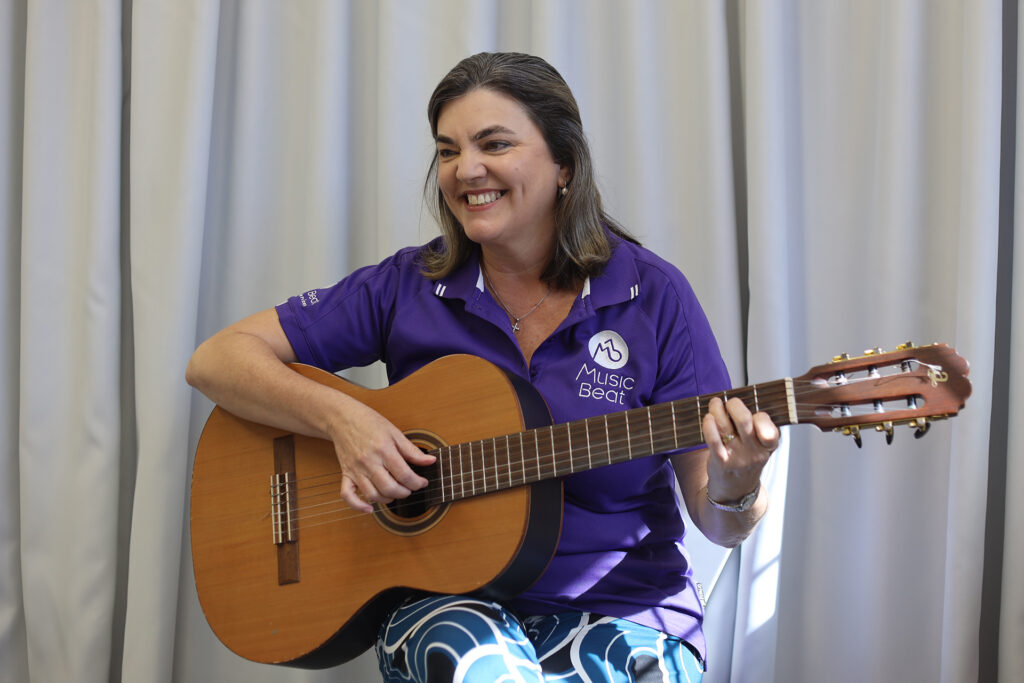
Assessment sessions are interactive, engaging and musical. They allow the therapist to observe responses to a variety of music therapy techniques and assess functional capacity while building a therapeutic relationship.
Activities may include:
- Singing familiar songs
- Playing percussion or melodic instruments
- Improvising music together
- Song writing or creative music-making
- Movement and rhythm-based activities
- Guided music listening and relaxation
- Musical games and interaction
These activities help the therapist understand how the participant processes music, expresses themselves, and engages with others. In addition to this, therapists can assess skills in different domains such as speech and communication, sensory processing, social preferences, emotional regulation, cognitive skills, and mobility.
Sessions may take place in our Clayfield clinic, or at schools, homes, childcare centres, residential facilities, or other community settings where services are delivered.
Step 2: Assessment Report
At the end of the assessment period, the therapist prepares a comprehensive assessment report.
This report summarises the therapist’s observations and provides recommendations for therapy moving forward. It typically includes:
- Participant background information
- Assessment observations
- Identified strengths and interests
- Areas where music therapy can provide support
- Recommended therapy goals
- Suggested session frequency and program structure
The assessment report establishes the baseline information used to measure progress over time and guide therapy planning.
Reports may also be used to support:
- NDIS planning and reviews
- Communication with support coordinators
- Collaboration with families, carers, teachers, and other professionals
Step 3: Developing a Therapy Support Plan
Following the assessment, the therapist works collaboratively with the participant, their family, and our Practice Manager to develop a music therapy support plan.
This document outlines:
- Therapy goals and objectives
- Therapeutic strategies and techniques
- Session frequency and duration
- Expected outcomes and measurements
- Any cultural considerations or risk management factors
The support plan ensures that therapy is individualised and aligned with the participant’s broader support goals, such as NDIS plan goals or personal development goals.
A service agreement is then prepared outlining the terms and conditions of ongoing therapy.
Step 4: Ongoing Therapy and Clinical Documentation
If therapy continues beyond the assessment period, sessions begin following the goals outlined in the support plan.
During this stage, the therapist maintains weekly clinical records, documenting:
- Session activities
- Participant engagement
- Skill development
- Progress toward goals
- Any adjustments to therapeutic strategies
This ongoing documentation helps ensure therapy remains responsive to the participant’s needs and supports evidence-based practice.
Progress Reviews and Reports
Monitoring progress is an important part of the therapeutic process.
Music Beat Therapy Services conducts regular progress evaluations to ensure therapy remains effective and aligned with the participant’s goals.
Progress reports may include:
- Summary of participation and engagement
- Outcomes related to therapy goals
- Improvements in communication, emotional regulation, social interaction, or other functional areas
- Recommendations for continued therapy or program adjustments
These reports are often required for:
- NDIS plan reviews
- Funding reports
- Multidisciplinary team communication
Therapy goals and strategies may be updated based on these reviews to ensure ongoing progress and meaningful outcomes.
Annual Review
In addition to ongoing documentation, we conduct formal annual reviews to evaluate long-term progress and determine the next steps in therapy.
During these reviews we may:
- Update therapy goals
- Adjust session frequency
- Recommend additional supports
- Determine whether therapy should continue, change focus, or conclude
This process helps ensure therapy remains person-centred, effective, and aligned with each participant’s evolving needs.
A Strengths-Based Approach
At Music Beat Therapy Services, we focus on each participant’s strengths, interests, and personal goals.
Music can provide a powerful pathway for communication, expression, learning, and connection. Through careful assessment, structured therapy planning, and ongoing progress evaluation, we aim to help participants achieve meaningful outcomes and improved wellbeing.