
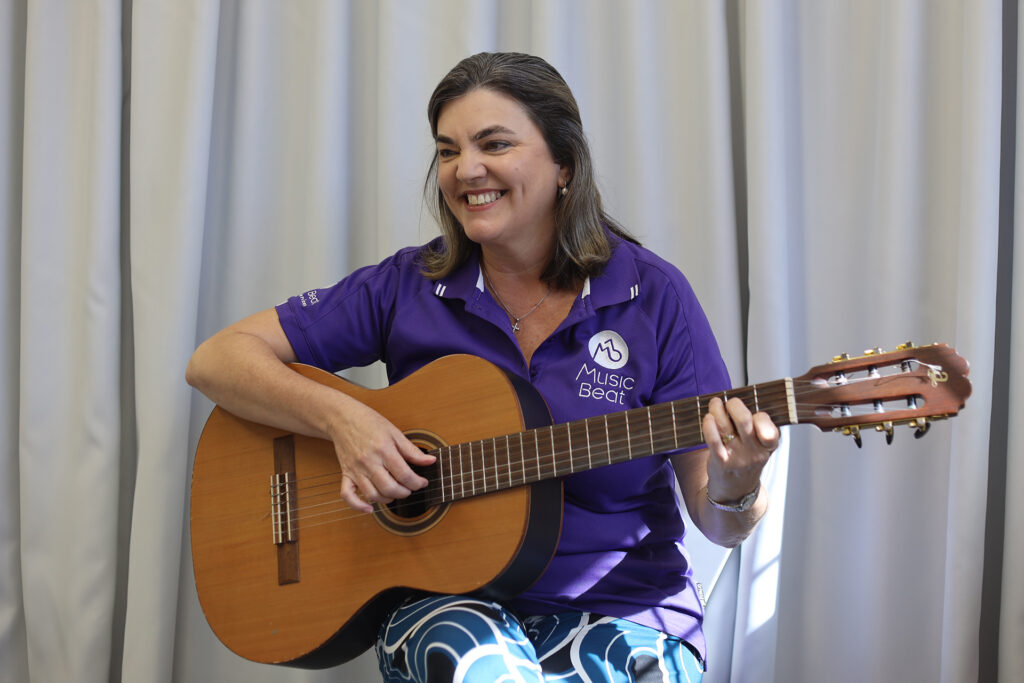


Music Beat Therapy Services provides individual music therapy programs for people across the lifespan.
Sessions are tailored to each client’s strengths, needs, and therapeutic goals, and are delivered by Registered Music Therapists using evidence-based approaches.
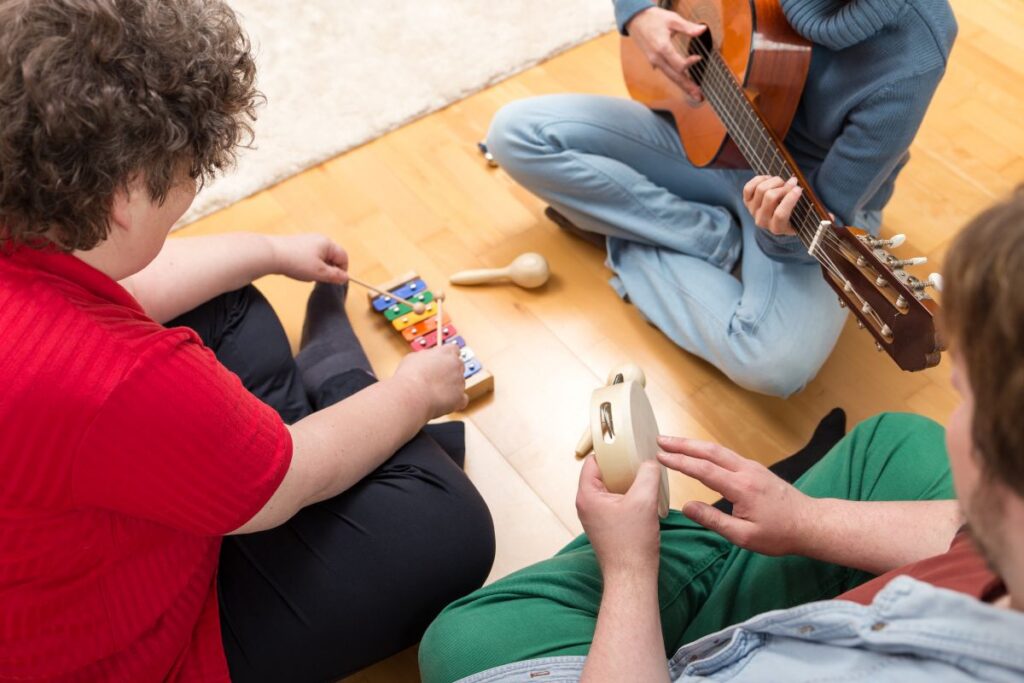
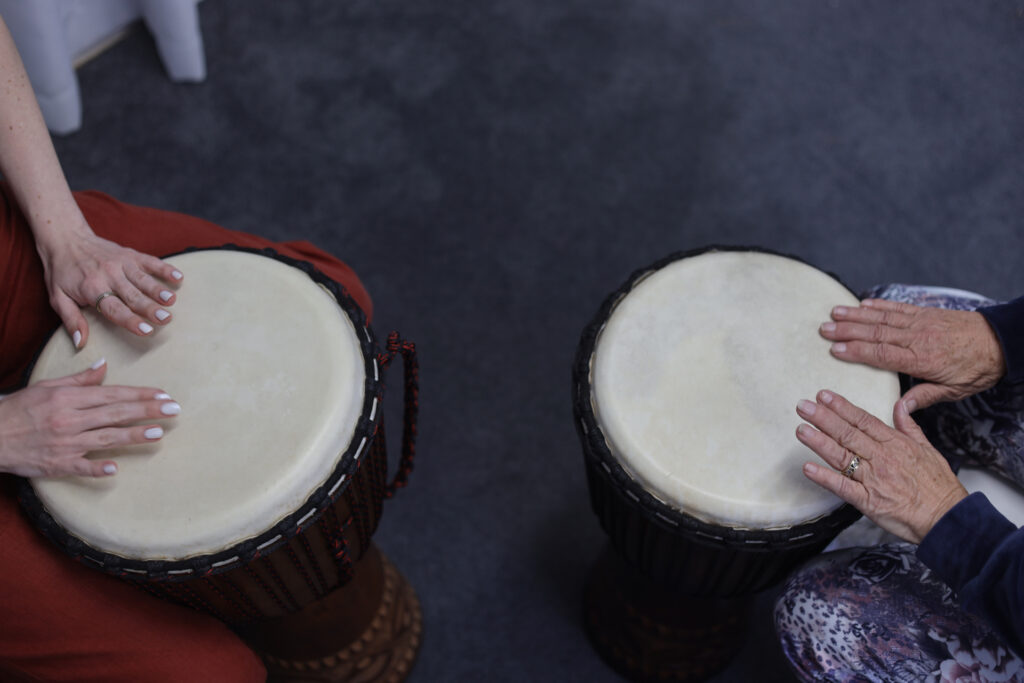
Individual music therapy involves active engagement with music through activities such as singing, instrument playing, improvisation, songwriting, movement to music, and music listening. These experiences are used to support development, communication, emotional wellbeing, and functional outcomes in a structured and supportive therapeutic environment.
Programs are available for children, adolescents, and adults, and may be delivered in the clinic, at home, in schools, or in other community settings depending on individual needs.
Early Childhood Intervention Birth – 8 Years
Music therapy provides a highly engaging and developmentally appropriate approach for young children. Through play-based musical experiences, therapists support early learning and developmental milestones while building strong therapeutic relationships with children and their families.
Individual music therapy for early childhood may support:
- Communication and early language development
- Joint attention and social interaction
- Attention, listening, and engagement
- Following instructions and participation in routines
- Sensory processing and emotional regulation
- Gross and fine motor development
- Body awareness, coordination, and movement
- Early literacy and numeracy concepts
Music therapy sessions often include parents or caregivers so that strategies can be incorporated into everyday routines at home. This approach helps extend therapeutic benefits beyond the session and supports ongoing development in natural environments.

School-Aged Children and Adolescents
For school-aged children and teenagers, music therapy provides a structured yet creative space where young people can develop skills, explore emotions, and strengthen confidence.
Therapeutic music experiences allow children and adolescents to engage in meaningful self-expression while working toward developmental, educational, and social goals.
Individual sessions may include:
- Singing and instrument playing
- Improvisation and collaborative music-making
- Songwriting and lyric exploration
- Music listening and discussion
- Movement and rhythm-based activities
Music therapy can support areas such as communication, social skills, emotional regulation, confidence, attention, and overall wellbeing. For adolescents in particular, music can provide a familiar and motivating medium for exploring identity, relationships, and emotional experiences.

Music Therapy for Adults
Music therapy for adults focuses on supporting wellbeing, independence, and quality of life. Programs are individualised and may benefit adults living with disability, neurological conditions, chronic illness, or those seeking support with personal development and emotional wellbeing.
Individual sessions may support:
- Emotional wellbeing and stress management
- Communication and social connection
- Cognitive stimulation and memory
- Physical coordination and motor skills
- Confidence, identity, and creative expression
Music therapy can also support rehabilitation and skill development, helping individuals maintain engagement in meaningful activities and community participation.

Music Therapy for Mental Health
Music therapy provides a supportive therapeutic space for individuals experiencing mental health challenges. Through structured musical engagement, clients can explore emotions, develop coping strategies, and strengthen resilience.
Music can offer both verbal and non-verbal ways of expressing thoughts and feelings, which can be particularly valuable when experiences are difficult to articulate.
Mental health-focused music therapy may support:
- Emotional expression and processing
- Stress and anxiety management
- Mood regulation
- Self-awareness and identity development
- Building confidence and self-esteem
- Social connection and communication
Sessions may incorporate songwriting, lyric analysis, improvisation, relaxation music, and reflective listening to support emotional exploration and personal insight.

Personalised Therapy Programs
All individual music therapy programs begin with an assessment to understand the client’s goals, strengths, interests, and support needs. From this assessment, the therapist develops a personalised therapy plan and regularly reviews progress to ensure sessions remain meaningful and effective.
Sessions may be delivered:
- At the Music Beat Therapy clinic
- In homes or schools
- In community settings or care environments
Programs can also work alongside other therapies and supports, helping clients build skills that enhance participation in daily life, learning, and relationships.
