
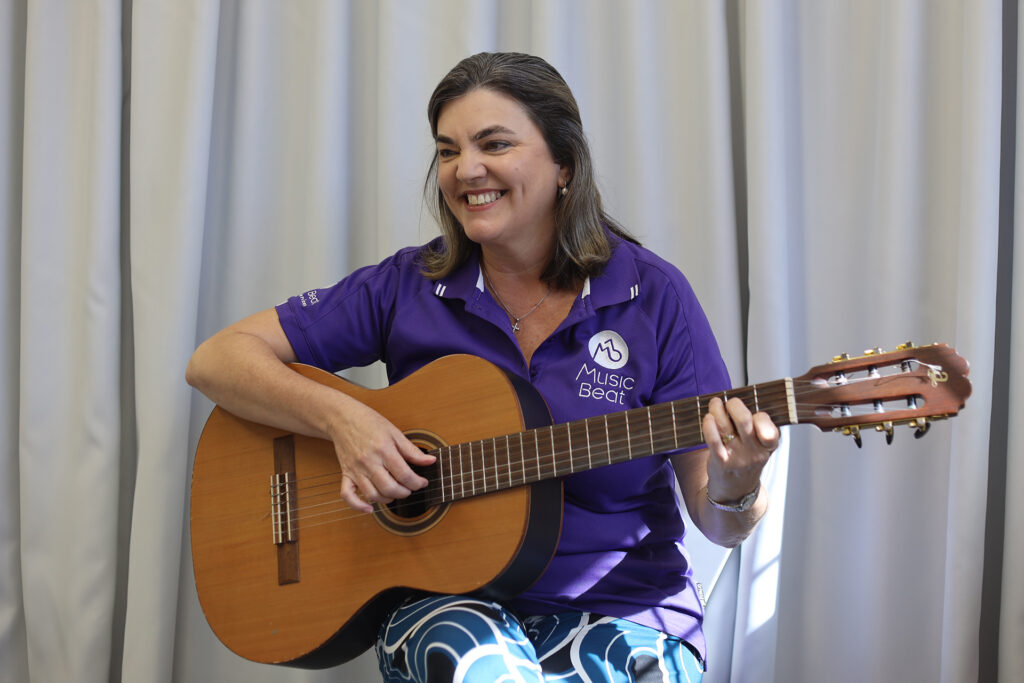
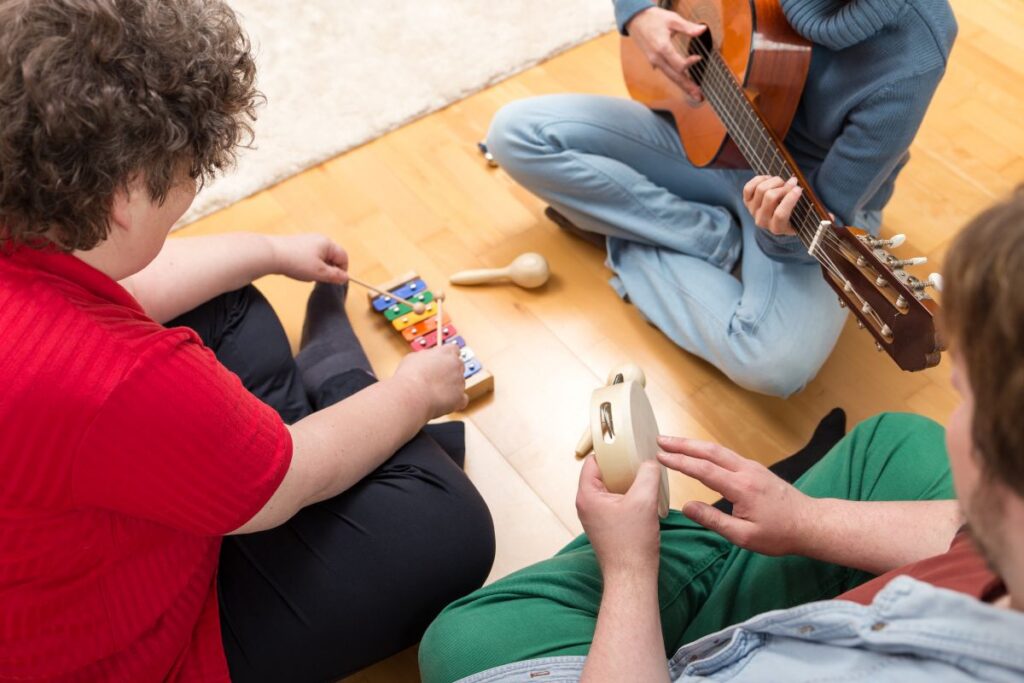

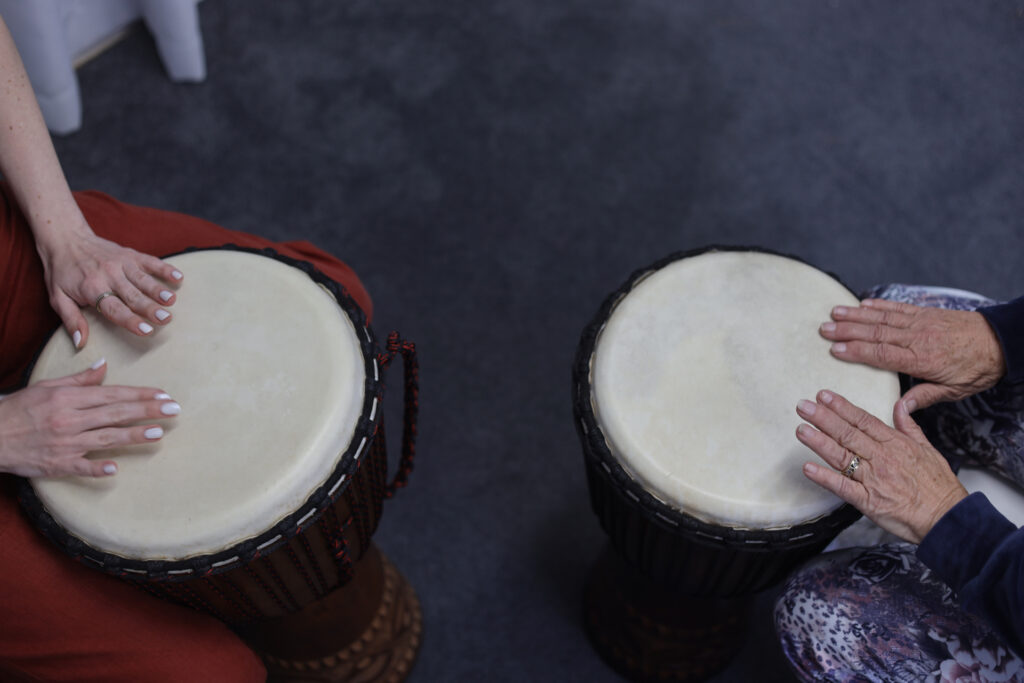
At Music Beat Therapy Services, our treatment programs are designed to use music intentionally and clinically to support each person’s goals.
Sessions are built around live music and a range of music therapy techniques that involve engaging in, with, and through music to support identified outcomes. The service describes its programs as using elements of music and neuroscience to enhance, develop, and maintain health, functioning, and wellbeing.
Music therapy is highly individualised. We may make music together, share favourite songs, create new music, or recreate familiar music in ways that are meaningful and motivating. Music can also be used within activities that may not appear musical at first, such as using rhythm to support speech patterns, movement to music to prepare for motor actions, or storytelling through songs, visuals, and play-based materials.
What Our Treatment Program May Involve
Our sessions are tailored to the participant’s needs, preferences, and goals.
Depending on the person, sessions may include:
- live music experiences
- singing and vocal work
- active instrument play
- listening to and discussing music
- musical relaxation
- songwriting
- improvisation
- movement to music
- structured play, stories, colours, blocks, or visual supports used alongside music

Your First Music Therapy Session
Your first music therapy session is an opportunity to get to know your therapist, ask questions, and begin exploring how music therapy can support you or the person in your care. Music Beat Therapy Services recognises that meeting someone new or coming to a new place can feel overwhelming or anxiety-inducing, and the first session is designed to help participants feel comfortable and supported.
The first session is also part of the broader assessment phase. The website explains that the assessment period includes three sessions in total, giving the therapist time to understand preferences, needs, and possible goal areas.
What to Expect in the First Session
Music therapy is relational, so the therapist will spend time getting to know the participant’s musical and non-musical preferences, hobbies, communication style, and comfort level.
Activities offered in the first session may include:
- hello and goodbye songs to support routine and transitions
- instrumental play
- singing
- listening and discussing music
- musical relaxation
- songwriting or improvisation
The specific activities used will depend on the participant’s preferences and how they respond in the session.
What the Session Might Look Like
Music therapy sessions can look different from one person to another.
Some sessions may appear loud, playful, energetic, and highly interactive. Others may be quiet, calm, and reflective.
The therapist modifies each session based on clinical observations, including regulation needs, communication, motor skills, social skills, and mental health needs.
The website describes music as highly adaptable, which is one reason it can be such a personal and accessible therapy resource.
The Role of Parents & Support People
Parents, carers, and support people can play an important role in the therapy process. Depending on the participant’s age, confidence, and support needs, you may be encouraged to sit in the session or wait outside.
If you are in the session, the therapist may ask you to provide:
- communication support
- physical support
- emotional support
For children, you may also be asked about favourite music and the goals you have for therapy. For adults, support people may be asked to share insights into preferences, routines, and the outcomes the person may be seeking from music therapy.
Participating in sessions can also create opportunities for shared strategies and ideas that can be used outside the therapy space.
If you are not in the room, the therapist may provide feedback and practical ideas after the session.
A Goal-Focused & Individualised Approach
Every treatment program is shaped by the participant’s goals and how they respond in sessions. Music can be used to support a wide range of areas, including communication, regulation, movement, engagement, and wellbeing, with sessions adapted in real time to meet current needs.
The service’s treatment page emphasises that music is used both directly and creatively to support functional outcomes in ways that are engaging and meaningful.
Questions & Ongoing Planning
The first session and the wider assessment period are the ideal time to ask questions about music therapy, expectations, and goal areas.
These early sessions help ensure the therapist understands what is important to the participant and family, while also giving the therapist a chance to explain the process and recommend an appropriate treatment program.
Begin Your Music Therapy Journey
At Music Beat Therapy Services, treatment programs are designed to be engaging, flexible, and clinically informed. Whether sessions involve singing, movement, instrumental play, songwriting, relaxation, or music woven into everyday therapeutic activities, the goal is the same: to use music purposefully to support health, functioning, and wellbeing.
To learn more about getting started, contact the Music Beat Therapy Services team to discuss music therapy for yourself, your child, your client, or your organisation.
Learn More About Music Therapy
If you would like to learn more about how music therapy can support you or someone you care for, our team would be happy to help.
Music Beat Therapy Services provides therapy programs for children, adults, and older people across a wide range of health and wellbeing needs.
Contact our team to discuss your goals or organise an initial assessment.